Dental Fillings



When a tooth has been weakened by decay, a well-placed filling does more than simply fill a hole. It rebuilds lost structure, restores biting function, and helps protect the remaining tooth from further breakdown. Contemporary composite materials are engineered to mimic the look and flex of natural enamel, so the repaired tooth performs and appears like an intact tooth rather than a patched surface.
Beyond aesthetics, a properly bonded restoration seals the vulnerable area where bacteria once lived, helping stop an active cavity from progressing deeper into the tooth. That seal also reduces sensitivity and distributes chewing forces across the tooth in a way that preserves what remains of the original anatomy. For many patients, a filling is the least invasive way to return a tooth to everyday use.
Choosing the right material and technique matters. Bonded composite resins allow us to be conservative with healthy tooth structure, often requiring less removal than older metal restorations. That conservative approach supports long-term tooth strength and gives you a discreet, natural-looking result.
Tooth-colored composites have become the standard for most cavity repairs because they blend with the surrounding enamel and can be tailored to your exact shade and translucency. That makes them particularly attractive for visible teeth, but their advantages extend to function as well: composites bond to enamel and dentin, which can help reinforce a weakened tooth.
These materials are free of metal, and they avoid the visual contrast that traditional silver amalgam can create. For patients who prefer restorations that are unobtrusive, composites offer a solution that is both discreet and durable when placed with careful technique and adequate isolation.
Because placement is a layer-by-layer process, composite fillings also give the dentist fine control over contours and contact points, which makes it easier to restore a tooth’s natural shape and preserve healthy neighboring teeth. That attention to detail reduces the chance of food trapping or premature wear.

The process begins with a precise exam and, if needed, gentle removal of the decayed material. Local anesthesia is used as required to keep you comfortable; most cavities are treated in a single visit. We take care to work efficiently while remaining meticulous, ensuring the tooth is dry and clean before any bonding material is applied.
Composite resin is applied in thin layers, each of which is sculpted to match the tooth’s natural form and then hardened with a curing light. This incremental approach allows for strong adhesion and accurate shaping of the biting surface so your restored tooth fits harmoniously with the rest of your bite.
After the restoration is complete, we check how your teeth meet and make any small adjustments to the shape and finish. A final polish gives the filling a smooth surface that resists staining and feels comfortable. Throughout the appointment, our team explains what we are doing and why, and we will review any options for controlling anxiety, such as available sedation dentistry, before treatment begins.
If there are particular concerns about sensitivity or the size of the restoration, we’ll discuss them openly and recommend the most conservative, evidence-based path forward. Our goal is a durable repair that fits your expectations for comfort and appearance.
It’s normal to experience a short period of numbness immediately after treatment if local anesthesia was used; avoid chewing until sensation returns to prevent accidental biting of soft tissues. Mild temperature sensitivity for a few days is common as the tooth adjusts to the new material and the contact with opposing teeth.
If sensitivity persists beyond a couple of weeks or if you notice pain when biting down, contact the office so we can assess the restoration for high spots, cracks, or underlying issues that may need attention. Prompt evaluation helps prevent small concerns from becoming more involved problems.
Routine daily care (brushing twice, flossing once, and keeping regular dental exams) supports the life of a composite filling. Because bonded restorations rely on an intact seal, maintaining healthy gum tissue and minimizing plaque buildup around the margins are important parts of long-term success.

Most small- to medium-sized cavities are ideal candidates for composite fillings, but not every problem is best solved with a direct restoration. For very large areas of decay, fractures that extend under the gumline, or teeth with extensive previous restorations, indirect options such as onlays, crowns, or inlays may provide better long-term results.
We evaluate each tooth on its own merits, considering how much healthy structure remains, the location and extent of the defect, and how the tooth functions during chewing. When a filling is appropriate, we favor methods that preserve tooth structure and restore function. When a crown or other indirect restoration is the safer, more durable choice, we explain that reasoning clearly so you can make an informed decision.
Conservative care does not mean cutting corners; it means choosing the least invasive solution that will protect the tooth over time. Regular checkups let us spot changes early and offer treatments that keep future interventions as simple as possible.
Our aim is to restore teeth in a way that looks natural, feels comfortable, and supports long-term oral health. If you have questions about composite fillings or how a repair might work for you, we’re here to help.
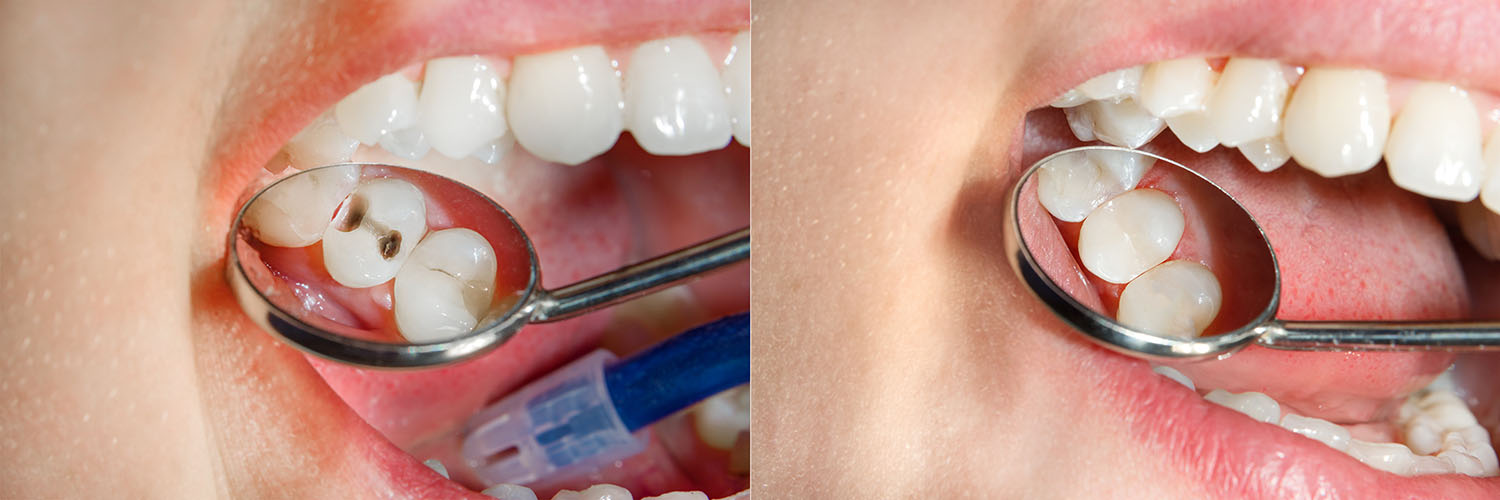
At the office of Skyline Smiles, we focus on careful diagnosis, conservative treatment, and clear communication, so you always know what to expect. If you’d like to learn more about filling options or schedule an evaluation, please contact us for more information.
Dental fillings restore the shape and function of a tooth after decay or minor damage has removed natural structure. A filling rebuilds lost anatomy so the tooth can chew normally and helps protect the remaining tooth from further breakdown. By sealing the area where bacteria once lived, a well-placed filling also reduces sensitivity and lowers the risk that the cavity will progress deeper into the tooth.
Because fillings are a direct, minimally invasive treatment, they are often the first line of care for small- to medium-sized cavities. Restorations that bond to the tooth can reinforce weakened enamel and dentin while preserving as much healthy tooth as possible. That conservative approach helps maintain long-term tooth strength and avoids more extensive procedures when possible.
The most common filling materials include tooth-colored composite resin, silver amalgam, ceramic, and gold. Composite resin is popular for its cosmetic match and ability to bond to tooth structure, while amalgam has a long track record for durability in back teeth. Ceramic and gold are typically used for larger or indirect restorations and offer excellent wear resistance and longevity for certain situations.
Each material has tradeoffs in aesthetics, strength, and preparation requirements, so choice depends on the tooth's location, the size of the defect, and the patient’s priorities. Composites require careful isolation and layering but allow conservative tooth preparation, whereas ceramic or metal options often involve lab-made onlays or crowns for larger reconstructions. Your dentist will explain the clinical reasons to prefer one material over another for your specific tooth.
Tooth-colored composite fillings blend with the surrounding enamel and can be matched to your exact shade and translucency, making them especially suitable for visible teeth. Composites bond directly to enamel and dentin, which can help reinforce a weakened tooth and allow the clinician to remove less healthy structure than older metal restorations. Because they are free of metal, composites avoid the visual contrast that amalgam creates and provide a more natural appearance.
The placement technique for composites is incremental, which lets the dentist sculpt precise contours and contact points and reduces the chance of food trapping or premature wear. When placed with proper isolation and technique, composite restorations are durable and resist staining, while also preserving tooth anatomy. For many patients seeking a discreet, conservative repair, composites are the preferred choice.
The process begins with a careful exam and, if necessary, gentle removal of decayed or weakened tooth material under local anesthesia when required. The tooth is then isolated and dried so bonding agents can adhere properly to enamel and dentin. Composite resin is applied in thin layers, each sculpted to match the tooth's natural form and cured with a light to harden the material.
After layering and curing, the dentist checks how your teeth meet in bite and makes any small adjustments to the shape to ensure comfortable function. A final polish produces a smooth surface that resists staining and feels comfortable against the tongue and adjacent teeth. Most straightforward fillings can be completed in a single visit, and the team will explain each step so patients know what to expect.
Most patients experience minimal discomfort because local anesthesia is used as needed to numb the area before removing decay or shaping the tooth. Modern injection techniques and topical numbing agents help make anesthesia more comfortable, and many patients feel only vibration or pressure during the procedure rather than pain. The dentist and team will monitor your comfort throughout treatment and pause if you need a break.
For patients who experience dental anxiety or need extra help relaxing, sedation options can be discussed before the appointment to make care more manageable. After the appointment, mild sensitivity or soreness around the treated tooth for a few days is common, but persistent or severe pain should be reported so the restoration can be reassessed. Open communication about comfort and anxiety is encouraged so the team can tailor the experience to your needs.
It is normal to feel numb for a short time after local anesthesia, so avoid chewing until normal sensation returns to prevent accidentally biting your lip or cheek. Mild temperature sensitivity or tenderness when biting can occur as the tooth adjusts to the new material and the changed contact with opposing teeth, and these symptoms usually resolve within a few days. Keeping the area clean with regular brushing and careful flossing supports healing and reduces irritation around the margin of the restoration.
If sensitivity persists beyond two weeks or if you notice sharp pain when biting, contact the office so the filling can be examined for high spots, cracks, or other issues. Early evaluation can identify a simple adjustment or a small repair rather than allowing the problem to worsen. Regular dental exams also let your clinician monitor restorations and address changes before they become more involved problems.
The lifespan of a filling varies widely depending on the material used, the size and location of the restoration, and a patient’s oral habits. Small composite fillings placed under ideal conditions can last many years, while larger restorations or fillings in areas with heavy chewing forces may wear sooner. Factors such as bruxism, the presence of acid or sugar in the diet, and oral hygiene significantly influence how long a restoration performs well.
Regular checkups allow your dentist to monitor the integrity of fillings and recommend maintenance, polishing, or repair when needed to extend service life. If a filling shows wear, leakage, or secondary decay, addressing it early can prevent the need for more extensive treatment. Good daily care, protective devices like night guards when indicated, and timely dental visits support the longevity of restorations.
Fillings are ideal for small- to medium-sized cavities, but very large defects, vertical fractures, or decay that extends beneath the gumline often require indirect restorations instead. In those cases, onlays, inlays, or crowns made in a lab can provide better long-term strength and protection for the remaining tooth. If decay has reached the nerve of the tooth, root canal therapy followed by an indirect restoration may be the appropriate path.
Your dentist evaluates each tooth based on how much healthy structure remains, the tooth's role in your bite, and the expected longevity of the repair. Choosing a more durable indirect restoration when indicated is a conservative decision in the long run because it protects the tooth from recurrent problems. The clinician will explain the reasons for recommending an alternative so you can make an informed choice.
Common signs that a filling may need attention include new or worsening sensitivity, pain when biting, a visible crack or piece of the filling missing, and food catching at the edge of the restoration. Dark lines at the margin, recurrent decay evident on X-rays, or an uneven bite can also indicate breakdown of a restoration. Because some problems are not visible to the naked eye, routine dental exams and radiographs are important for detecting issues early.
If you notice any of these symptoms, schedule an evaluation so the restoration can be assessed and any necessary adjustments or repairs can be made. Addressing small problems promptly often allows for a simpler repair rather than a full replacement or more invasive treatment. Timely care helps preserve natural tooth structure and maintain comfortable function.
At the office of Skyline Smiles, the goal is to recommend the least invasive treatment that will reliably protect the tooth over time while explaining the reasoning behind each option in plain language. Clinicians emphasize careful diagnosis, conservative preparation that preserves healthy tooth structure, and precise placement to create restorations that look natural and function well. Patients are shown their options, informed about what to expect, and invited to ask questions before any treatment begins.
Follow-up care and regular checkups are part of the conservative strategy so that small changes can be caught early and treated simply. The practice also offers measures to manage comfort and anxiety during treatment, and it coordinates care across its neighborhood offices to maintain a consistent standard of treatment. This approach helps patients keep teeth healthy and avoid more extensive procedures when possible.
Whether you are due for a cleaning or finally ready to fix something that has bothered you for years, the first step is the same. Pick the office nearest you and we will find a time that works.
