Root Canals



If a dentist has told you that a root canal is needed, there’s no cause for alarm: modern endodontic care is predictable, focused on comfort, and designed to preserve your natural tooth whenever possible. Root canal therapy removes the source of deep tooth pain, stops the spread of infection, and lets you keep the tooth rather than replacing it.
At the office of Skyline Smiles, our team combines contemporary tools and a gentle approach to make the process as straightforward as possible. We emphasize clear explanations so you understand what’s happening, why a treatment is recommended, and what to expect during recovery.
Teeth do more than chew: they support your bite, maintain spacing for neighboring teeth, and preserve the shape of your face. When the inner tissues of a tooth become injured or infected, root canal therapy is often the best alternative to extraction because it keeps the natural structure intact and restores function.
Advances in dental instruments and materials have improved the success and longevity of treated teeth. With careful cleaning and sealing of the canals inside the tooth, most root canal–treated teeth continue to serve well for many years when paired with a thoughtful restoration.
Choosing to save a tooth usually means fewer long-term interventions than tooth replacement options. Root canal therapy is a conservative solution that addresses the problem at its source while allowing you to keep your natural smile.

Not every toothache requires a root canal, but certain patterns of symptoms are common when the tooth’s internal tissues are affected. Persistent, throbbing pain (especially pain that interferes with sleep) is a frequent warning sign that the pulp has been compromised.
Other indicators include sharp sensitivity to hot or cold that lingers after the stimulus is removed, discomfort when biting, and a tooth that has darkened in color following trauma. Occasionally a tooth becomes loose or the gums around it swell, which can reflect deeper infection.
Sometimes a problem shows up on X-rays before symptoms begin, which is why routine exams and radiographs play an important role. If your dentist notices changes that suggest the pulp is damaged, they will explain the findings and recommend the most appropriate course of action.

Addressing a compromised tooth promptly reduces the chance that an infection will spread or that the tooth will suffer further structural damage. Early treatment usually means simpler procedures and a smoother recovery.
That said, urgency does not mean haste. A careful diagnosis, including a clinical exam and targeted imaging, ensures that root canal therapy is recommended only when it is truly the best option. Your dentist will discuss why the treatment is advised and what alternatives exist when appropriate.
When infection is present, treating the tooth also protects surrounding tissues and helps prevent broader oral health consequences. Acting sooner typically preserves more of the natural tooth and supports more predictable outcomes.
Root canal therapy begins with numbing the tooth and surrounding tissues so the procedure is comfortable. Using small, specialized instruments, the clinician carefully removes the inflamed or infected pulp, cleans and shapes the internal spaces, and then seals the canals with a biocompatible filling material.
Many root canals are completed in a single visit, but complex cases or teeth with multiple canals may require two appointments. The length of treatment depends on the tooth’s anatomy and whether an active infection needs additional attention.
We use techniques and tools aimed at precision and patient comfort, and we can offer sedation options if dental anxiety makes the experience stressful. After the internal work is finished, the tooth will receive a temporary or permanent restoration to restore strength and protect it from fracture.
Following the procedure, your dentist will talk through next steps so you know when to return for a permanent crown or other restorative work, an important part of long-term success for the treated tooth.
After a root canal, mild soreness and sensitivity for a few days is normal as surrounding tissues heal, but severe or increasing pain is not. You may experience numbness for a short period until local anesthesia wears off, so take care not to bite your cheek or tongue during that time.
If a dentist prescribes antibiotics for an active infection, it’s important to complete the full course. Pain control is usually managed with over-the-counter medications unless a stronger prescription is required; your dentist will provide clear guidance based on your situation.
A tooth that has had root canal therapy is more likely to fracture if left without a protective restoration, so scheduling a crown or appropriate permanent restoration in a timely way helps restore strength and function. Continue regular brushing and flossing to support healing and long-term dental health.
With attentive follow-up and good home care, a root canal–treated tooth can remain healthy for decades. If you notice renewed pain, swelling, or other concerning signs after treatment, contact the office for prompt evaluation.
At the office of Skyline Smiles, we aim to make endodontic care clear, comfortable, and effective. If you’re experiencing dental pain or have questions about whether a root canal is the right choice, please contact us for more information and to schedule an evaluation.
Root canal therapy is a treatment that removes inflamed or infected tissue from inside a tooth and seals the internal spaces to prevent further infection. The goal is to eliminate pain and preserve the natural tooth rather than extracting it. Keeping the tooth maintains bite function, supports surrounding teeth, and helps preserve facial structure.
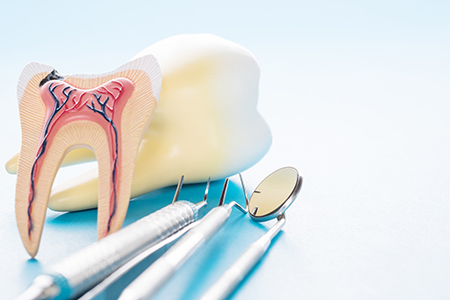
This procedure addresses problems that begin in the dental pulp, the soft tissue that contains nerves and blood vessels, and stops infections that could spread to adjacent tissues. Modern root canal therapy is predictable and designed to minimize discomfort while restoring function to the tooth. When successful, it is often the most conservative option for managing deep decay, trauma, or persistent pulp inflammation.
A diagnosis starts with a careful clinical exam, a review of symptoms, and targeted imaging such as dental X-rays to look for changes at the tip of the tooth root. Common warning signs include persistent throbbing pain, lingering sensitivity to hot or cold, swelling, or a tooth that has darkened after trauma. Dentists also perform tests like percussion, biting checks, and pulp vitality assessments to narrow down the cause of pain.
Not every painful tooth requires a root canal, so clinicians use this combination of exam findings and radiographic evidence to distinguish between reversible and irreversible pulp conditions. When the findings indicate the pulp is irreversibly damaged or infected, root canal therapy is recommended to preserve the tooth and protect surrounding tissues. A thoughtful diagnosis helps ensure treatment is offered only when it is the best clinical option.
Treatment begins with local anesthesia to numb the tooth and surrounding tissues, followed by isolation of the tooth with a rubber dam to keep the area clean and dry. The clinician creates a small access opening, removes the inflamed or infected pulp, cleans and shapes the canals with specialized instruments, and uses disinfecting solutions to reduce remaining bacteria. Once the canals are prepared, they are filled with a biocompatible material to seal the internal spaces and prevent recontamination.
Many root canals are completed in a single visit, but more complex anatomy or active infection may require additional appointments and medicated dressings between visits. A temporary or permanent coronal restoration is placed to protect the tooth until the final restoration is completed. At the office of Skyline Smiles we emphasize clear explanation and patient comfort throughout each step of the procedure.
Thanks to advances in anesthesia and technique, most patients experience little to no pain during the procedure; sensations are typically described as pressure rather than sharp pain. Providers prioritize effective local anesthesia and use gentle, modern instrumentation to minimize discomfort. For patients with anxiety or heightened sensitivity, sedation options may be offered to improve comfort and allow the clinician to work efficiently.
After the procedure some mild soreness or tenderness for a few days is common as surrounding tissues heal, and this is usually controlled with over-the-counter pain relievers unless a stronger prescription is required. The dental team provides clear post-operative instructions to manage symptoms and reduce the risk of complications. If pain worsens or is accompanied by swelling or fever, patients are advised to contact the office promptly for evaluation.
Recovery is generally quick; most patients return to normal activities the same day and experience only minor soreness for a few days as the tissues settle. It is normal to feel some sensitivity to chewing until a protective restoration is placed, so avoiding biting on hard foods on the treated tooth is advisable during that period. Any numbness from local anesthesia should wear off within a few hours, and normal sensation will return.
Your dentist will explain whether antibiotics are necessary for an active infection and provide guidance on pain control and follow-up visits. Scheduling a definitive restoration, such as a crown, is an important next step to restore strength and function and to prevent fracture. If you notice increasing pain, swelling, or drainage after treatment, contact the dental team for prompt evaluation.
The primary alternative to saving a tooth with a root canal is extraction followed by tooth replacement options such as an implant, a fixed bridge, or a removable prosthesis. Extraction removes the source of infection but also results in loss of the natural tooth, which can affect chewing, neighboring teeth, and bone over time. Choosing between treatment options involves weighing the benefits of preserving the natural tooth against the circumstances that may make extraction and replacement more appropriate.
In some limited cases where the pulp injury is caught very early, conservative measures such as pulp capping or careful monitoring may be possible to allow healing without a full root canal. The decision depends on factors like the extent of infection, the tooth’s restorability, and overall oral health. Your dentist will discuss the options and the reasoning behind the recommended plan so you can make an informed choice.
After root canal therapy, the tooth often requires a protective restoration to restore strength and prevent fracture, especially for posterior teeth that endure heavy chewing forces. Posterior teeth commonly receive a crown because the procedure removes internal tooth structure and can leave the tooth more brittle without reinforcement. Anterior teeth may sometimes be restored with a bonded composite filling depending on the amount of remaining tooth structure and esthetic needs.
Timely placement of the final restoration reduces the risk of reinfection and structural failure, and the dentist will recommend the appropriate material based on function and appearance. In some cases a post may be used to help retain the restoration when little tooth structure remains. Discussing the restoration plan as part of the overall treatment helps ensure the treated tooth has the best chance of long-term success.
Root canal treatment has a high success rate when performed with thorough cleaning, proper sealing of the canals, and appropriate coronal restoration. Many treated teeth remain functional for decades when followed by a durable restoration and supported by good oral hygiene and regular dental care. Success depends on factors such as the extent of infection, the anatomy of the root canals, the quality of the restoration, and the patient’s overall oral health.
Regular follow-up exams and periodic X-rays allow the dentist to monitor healing and identify any late problems early. Even when complications occur, many can be managed through retreatment or surgical approaches that aim to preserve the tooth. Maintaining routine dental visits and addressing new issues promptly are important contributors to long-term outcomes.
Yes, retreatment is a common and often successful option when symptoms recur or when the initial root canal does not fully resolve the problem. Reasons for failure can include persistent infection, missed or extra canals, new decay that exposes the canals, or a crack in the tooth. The retreatment process involves removing the previous filling material from the canals, locating and treating any missed anatomy, and resealing the system to encourage healing.
When retreatment is not feasible or does not resolve the issue, an apical surgery (apicoectomy) or extraction may be considered depending on the clinical situation. The dentist or an endodontist will evaluate imaging and clinical findings to recommend the best next step. A careful assessment helps determine the prognosis and the treatment that best preserves oral health.
Maintaining excellent oral hygiene with regular brushing and flossing is the foundation of long-term success for any treated tooth, and routine dental exams and periodic X-rays help monitor the restoration and surrounding structures. Avoid chewing hard objects like ice, popcorn kernels, or pens on the restored tooth, especially before the final restoration is placed, to reduce the risk of fracture. If you smoke, quitting improves healing and long-term oral health outcomes.
Follow the dentist’s recommendations for placing the permanent crown or restoration in a timely manner, and attend follow-up visits so any concerns can be addressed early. If you experience new pain, swelling, or signs of infection after treatment, contact the office promptly for evaluation. If you have questions about your specific situation or need an appointment, contact the office of Skyline Smiles to schedule an evaluation.
Whether you are due for a cleaning or finally ready to fix something that has bothered you for years, the first step is the same. Pick the office nearest you and we will find a time that works.
