Implant Dentistry



Missing teeth change more than how a smile looks: they alter how you eat, speak, and how your jaw ages over time. Dental implants offer a modern, long-lasting way to restore both form and function. Unlike removable appliances, implants replace the missing tooth root as well as the visible portion of the tooth, which helps preserve the surrounding bone and maintain facial proportions.
Implants are a versatile option for people who have lost one tooth, several teeth, or an entire arch. Candidates range from adults who lost a tooth to injury to those whose natural teeth have been affected by disease. Every plan begins with a careful evaluation of oral and overall health so that treatment is tailored to the individual, not a one-size-fits-all approach.

Dental implants are made from biocompatible materials that integrate with the jawbone, creating a stable foundation for crowns, bridges, or dentures. That intimate connection between implant and bone is what gives implant-supported teeth their strength and lifelike behavior when you chew, speak, or smile. For many patients, implants offer the closest match to a natural tooth in daily use.
Because implants act like the root of a tooth, they transmit chewing forces into the bone. This stimulation helps slow the bone loss that commonly follows tooth extraction, preserving the shape of your jaw and the contours of your face. In practical terms, implant-supported restorations feel secure in the mouth and avoid the slipping or movement that can come with traditional removable dentures.
At the same time, implant restorations are designed to be subtle: modern crowns and bridges are color-matched and shaped to fit your bite and appearance, helping the replacement teeth blend in naturally with the rest of your smile.
An implant itself is a small post placed into the bone. Over a period of weeks to months that post fuses to the surrounding bone in a process called osseointegration. Once that integration is solid, the implant supports a prosthetic tooth or set of teeth in much the same way a natural root supports a crown.
Dental implants are prized for their durability and predictability. When placed with careful planning and maintained with routine oral hygiene, implants provide a reliable platform for tooth replacement that can last many years. They avoid some of the trade-offs of other options by preserving adjacent teeth and supporting the underlying bone.
Compared with conventional bridges, implants usually do not require altering neighboring healthy teeth. Compared with removable dentures, implant-retained solutions typically feel more secure and allow patients to eat a wider range of foods without worry. These practical benefits are why many clinicians and patients prefer implants when conditions permit.

Whether implants are a good option depends on a number of factors: the health and volume of the jawbone, the condition of surrounding teeth and gums, overall medical history, and personal preferences. A thorough clinical exam, diagnostic imaging, and a discussion of goals help determine the ideal path forward.
Smoking, uncontrolled certain medical conditions, and a history of advanced periodontal disease can affect healing and long-term outcomes, but these factors do not automatically exclude a patient from implant therapy. In many cases, preparatory steps such as gum treatment or bone grafting can make implant placement feasible where it might not have been initially.
Implant treatment begins with a detailed plan that maps implant position, angulation, and prosthetic needs. Surgery to place implants is typically performed in an outpatient setting under local anesthesia; sedation options are available for patients who prefer them. The procedure itself is usually well-tolerated and focused on precise placement rather than long operations.
After the implant is placed, there is a healing period while the bone integrates with the implant surface. During that time, a temporary prosthesis may be used to restore appearance and basic function. Once integration is confirmed, a final crown, bridge, or denture is fabricated to deliver long-term function and esthetics.
Throughout every stage, clear communication about the timeline, aftercare, and what to expect helps reduce anxiety and supports predictable healing. The clinical team will provide tailored pre-op and post-op guidance to support a smooth recovery.
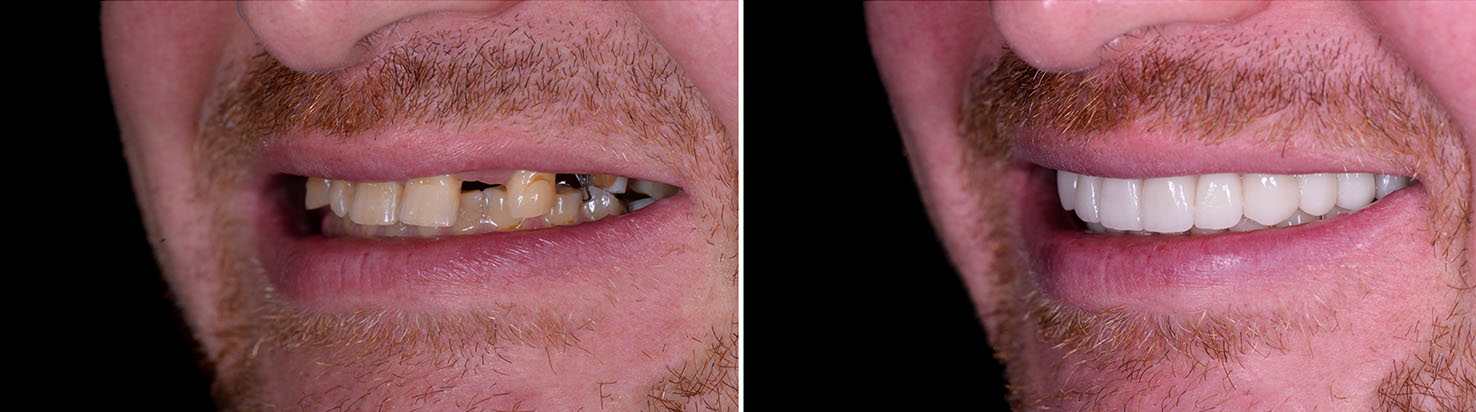
Because implants rely on a stable bony foundation, some patients need bone grafting to rebuild lost volume before or at the time of implant placement. Bone grafts can come from several sources and are used to create the support needed for a predictable, functional implant. The specific technique is chosen to match the amount of bone missing and the restorative goals.
Grafting adds a step to treatment, and it requires healing time, but it often opens the door to implant therapy for patients who might otherwise be poor candidates. Modern grafting materials and techniques have made this a routine part of many implant plans, and when done well they contribute to durable, esthetic outcomes.
Restoring missing teeth with implants is as much about careful planning and follow-through as it is about surgical skill. A successful outcome depends on a customized approach that accounts for your health, anatomy, and expectations. That thoughtful planning is the reason many patients choose implant therapy for reliable, long-term replacement of missing teeth.
Our team emphasizes clear explanations and stepwise care so you always know what to expect. At Skyline Smiles, we combine modern implant techniques with a conservative, patient-focused approach to help people regain comfortable function and a natural-looking smile.
To learn more about implant dentistry and whether it might be a good option for you, please contact us for additional information or to arrange a consultation.
Dental implants are small biocompatible posts that are placed into the jawbone to act as a replacement tooth root. Over weeks to months the implant fuses with the surrounding bone through a process called osseointegration, creating a stable foundation for a prosthetic tooth. Once integrated, the implant supports a crown, bridge, or denture that restores chewing function and appearance.
The implant-supported restoration is designed to mimic the form and function of a natural tooth by transmitting chewing forces into the bone and preserving facial contours. Because implants replace the root as well as the visible portion of the tooth, they help slow the bone loss that often follows extraction. Modern crowns and bridges are color-matched and shaped to blend with your existing teeth for a natural-looking result.
Good candidates are adults who are missing one or more teeth and who have generally healthy gums and sufficient jawbone to support an implant. A comprehensive evaluation including clinical examination and diagnostic imaging determines bone volume, gum health, and whether any preparatory treatments are needed. Overall medical history and medications are reviewed because systemic health can influence healing.
Conditions such as poorly controlled diabetes, a history of advanced periodontal disease, or certain medications can increase the risk of complications but do not always rule out implant therapy. In many cases, preparatory steps like gum treatment or bone grafting can create the conditions needed for successful implants. Your clinician will discuss individualized options and next steps based on your anatomy and goals.
Implants differ from traditional bridges and removable dentures because they replace the tooth root and the visible tooth, which helps preserve jawbone and avoid altering adjacent healthy teeth. Bridges often require reduction of nearby teeth to provide support, while removable dentures rely on tissue support and can shift during eating or speaking. Implant-supported restorations tend to feel more stable and restore function more closely to a natural tooth.
Compared with removable dentures, implant-retained options typically improve chewing efficiency, speech, and patient comfort by reducing movement and improving retention. Implants can also prolong the health of surrounding bone and soft tissues, which helps maintain facial structure over time. Long-term success depends on good oral hygiene and regular maintenance regardless of the chosen restoration type.
Treatment begins with a detailed clinical exam and imaging to evaluate bone, gum tissues, and the health of surrounding teeth, followed by a prosthetic-driven plan that maps implant position and restorative needs. Surgery to place the implant is typically performed in an outpatient setting under local anesthesia, with sedation available for patients who prefer it. After placement there is a healing period for osseointegration before the final prosthesis is attached.
Temporary restorations may be used during healing to restore appearance and basic function, with a definitive crown, bridge, or denture fabricated once integration is confirmed. Throughout the process the team provides tailored pre-op and post-op instructions and scheduled follow-ups to monitor healing. Clear communication about timelines and expectations helps patients feel informed and supported at each stage.
Bone grafting is recommended when the jawbone lacks the volume or density needed to support an implant safely and predictably. Grafts can be performed before implant placement or at the same time as implant surgery depending on the clinical situation, and materials range from synthetic to donor or autogenous sources chosen to match the degree of deficiency. Modern grafting techniques are routine and tailored to reconstruct the required support for long-term success.
Grafting adds a healing phase to treatment but often converts a marginal candidate into a reliable candidate for implants by rebuilding the bony foundation. Your clinician will explain the specific grafting approach, the expected healing timeline, and how it fits into the overall restorative plan. When done well, grafting contributes to stable, esthetic results for implant-supported restorations.
Implant placement is usually an outpatient procedure performed with local anesthesia and optional sedation to keep patients comfortable. The length of the appointment depends on the number and complexity of implants being placed, but the focus is on precise, minimally invasive placement rather than long operative times. After surgery you can expect some swelling and mild discomfort that is typically managed with short-term medications and cold compresses.
Postoperative instructions cover oral hygiene, activity limits, diet progression, and signs to watch for during healing, and follow-up visits are scheduled to monitor osseointegration. Many patients return to light activity within a day or two and progress to normal function as healing allows, while temporary restorations can maintain appearance during the integration phase. The clinical team will provide clear guidance to support a smooth recovery.
Long-term success relies on daily home care and routine professional maintenance; brush twice daily and use interproximal cleaners or floss to keep the tissues around implants healthy. While implant materials do not decay like natural tooth structure, the surrounding gum and bone are susceptible to inflammation and infection if plaque builds up, so meticulous hygiene is essential. Avoiding tobacco and addressing habits such as heavy grinding or clenching can also protect implant longevity.
Regular dental visits allow your clinician to assess soft tissue health, check implant stability, and perform professional cleanings designed for implant restorations. The frequency of maintenance may be individualized based on your history and risk factors, and your team will recommend a schedule that supports predictable outcomes. Early detection and treatment of peri-implant inflammation preserves function and reduces the chance of complications.
Many patients with chronic conditions can safely receive implants after a careful medical review and coordination of care; factors such as blood sugar control, immune status, and certain medications are considered because they influence healing. The clinician will request a comprehensive medical history and may consult with a patient’s physician when needed to manage risks and plan timing. Each case is evaluated individually to determine whether additional precautions or preparatory treatments are appropriate.
Smoking is associated with higher rates of complications and slower healing after implant surgery, so clinicians typically counsel patients on the benefits of cessation before and after treatment. In some instances, smoking cessation, improved medical control, or adjunctive therapies can reduce risks and make implant therapy feasible. A candid discussion about risk factors helps set realistic expectations and supports informed decision-making.
Implant-supported options include single-tooth crowns, implant-supported bridges for multiple adjacent missing teeth, full-arch restorations anchored by several implants, and implant-retained overdentures for patients who prefer a removable solution. The choice of restoration depends on how many teeth are missing, the condition of the remaining teeth and gums, and the patient’s functional and esthetic goals. Each restoration is designed to restore chewing ability, speech, and smile appearance while addressing long-term tissue support.
Certain protocols allow for provisional teeth immediately after implant placement in appropriate cases, while definitive restorations are crafted once healing and integration are complete. Materials and design are selected to match color, shape, and bite dynamics for a natural result, and prosthetic components are chosen to balance durability with ease of maintenance. Your clinician will explain the pros and cons of available restorative options and recommend the best fit for your needs.
At Skyline Smiles, implant care begins with a thorough, patient-centered evaluation that includes clinical examination, diagnostic imaging, and a prosthetic-driven plan to determine ideal implant position and restorative needs. The team emphasizes clear explanations and staged treatment so patients understand each phase, from any preparatory procedures through final restoration. When grafting or specialist procedures are indicated, the practice coordinates those steps to maintain a cohesive timeline and clinical approach.
Our team combines modern implant techniques with a conservative philosophy that prioritizes long-term tissue health and function, and follow-up care is structured to monitor integration and prosthetic performance. Patients receive individualized oral hygiene instructions and scheduled maintenance to protect their investment in implant therapy. Clear communication and continuity of care help patients move through treatment with confidence and predictable outcomes.
Whether you are due for a cleaning or finally ready to fix something that has bothered you for years, the first step is the same. Pick the office nearest you and we will find a time that works.
