Extractions



At the office of Skyline Smiles, we always start by trying to preserve natural teeth, but there are occasions when extraction is the safest, most predictable route for protecting a patient’s overall oral health. Removing a tooth is a clinical decision made after an exam, appropriate imaging, and a discussion of alternatives. Our focus is to balance what is possible with what will give you the best long-term outcome for bite function and comfort.
Patients often worry that an extraction means a failure of care. In reality, extraction can be a proactive step that prevents pain, spread of infection, and further damage to adjacent teeth and supporting bone. When the structure of a tooth or its supporting tissues is too compromised to restore reliably, extraction removes a clear and present risk.
We approach every extraction with the same priorities: clear explanation, careful technique, and a plan for what comes next. Whether the reason is acute pain, persistent infection, or developmental concerns in a child, we make recommendations that reflect both immediate needs and future oral health.
Primary (baby) teeth that fail to fall out
Sometimes a deciduous tooth remains firmly attached when the permanent tooth below is ready to erupt. This can happen if the root of the baby tooth does not resorb normally or if the tooth fuses to the bone. Extracting an over-retained primary tooth can help ensure the permanent tooth erupts in the correct position and supports normal development.
Permanents that cannot be restored
Extensive decay or structural damage can leave too little healthy tooth for a filling or crown to succeed. When a tooth’s crown or root is severely weakened and restoration would be unreliable or risky, removal prevents further infection and preserves surrounding teeth and tissues.
Teeth fractured below the gumline
Trauma or deep cracks can split a tooth in ways that make saving it impractical. If a fracture extends into the root or into the area that anchors the tooth, extraction is often recommended to eliminate ongoing pain and the risk of complications.
Advanced periodontal disease
When periodontal disease destroys the bone and soft tissues that support a tooth, mobility and recurring infection can follow. In advanced cases where the support structures are insufficient, removing the unstable tooth can halt progression and make subsequent treatment more predictable.
Problematic wisdom teeth
Third molars frequently lack room to erupt and may become impacted, decay-prone, or a source of crowding and infection. Removing troublesome wisdom teeth before they cause complications is a common and often straightforward preventive measure.
Extractions as part of orthodontic planning
When the jaw cannot comfortably accommodate all permanent teeth, selective extractions can create space for an aligned, functional bite. These decisions are made in collaboration with orthodontic planning to ensure the best long-term positioning of remaining teeth.

Before any extraction, we complete a focused clinical exam and obtain the images needed to evaluate root shape, surrounding bone, and nearby anatomy. A careful medical history is also essential: certain conditions and medications change how we plan care, and we will review those factors with you before proceeding. Our goal in this phase is to make a safe, personalized plan so you know exactly what will happen and why.
Local anesthesia is used to numb the tooth and the surrounding tissues so the procedure itself is comfortable for most patients. For those who experience anxiety or prefer additional relaxation, we discuss the appropriate levels of dental sedation and, if needed, arrange for those services. If the tooth requires a more complex approach, we may coordinate care with an oral surgeon.
Communication matters at every step. We explain the type of extraction indicated, how long the appointment will take, and what you can expect during recovery. If you have questions about the procedure or the follow-up plan, we take time to answer them so you can be confident in the care you receive.
A simple extraction applies when a tooth is visible in the mouth and the root anatomy is favorable. After the area is numbed, your dentist gently loosens the tooth and lifts it out using specialized instruments. The procedure is typically quick, and we take measures to control bleeding and protect the socket to promote smooth healing.
Most simple extractions are handled in-office with minimal disruption to your day. We’ll go over post-operative instructions before you leave, and we schedule follow-up when needed to confirm healing and discuss any next steps for replacement, if appropriate.
Surgical extraction is the approach for teeth that are broken at the gumline, ankylosed, impacted, or otherwise difficult to remove using forceps alone. The dentist or oral surgeon may make a small incision, remove a bit of bone, or section the tooth to extract it safely. Local anesthesia is used, and additional sedation can be provided when appropriate.
Because these procedures are inherently more involved, we provide clear pre-operative directions and review any medical considerations in advance. Recovery may include a short course of medications and a planned follow-up to monitor healing and remove sutures if placed.

The first 48–72 hours after an extraction are important for clot formation and early healing. Simple actions (like keeping gentle pressure with gauze, avoiding disruptive habits, and following recommended activity limits) help the surgical site stabilize. We provide clear instructions tailored to your procedure and health history so you know what to do and why each guideline matters.
Early swelling and mild discomfort are common and usually manageable with cold packs and appropriate pain medication. Rest and hydration support recovery, and most patients can return to routine activities within a few days, with full soft-tissue healing occurring over several weeks. We’ll explain what to expect at each stage so there are no surprises.
It’s also important to recognize the warning signs that require prompt attention: prolonged heavy bleeding, worsening pain after a period of improvement, fever, or a persistent bad taste or odor. If you notice these symptoms, contact our office so we can evaluate and intervene if necessary.
Control bleeding with gauze
Bite gently on the provided gauze for the time instructed. If bleeding continues beyond the first hour, replace the gauze and maintain firm, steady pressure. Some light oozing for up to 24 hours is normal, but ongoing heavy bleeding should be evaluated.
Protect numb tissues
Until the local anesthetic wears off, take care not to bite or burn your lips, cheeks, or tongue. These injuries can occur when sensation is reduced and are easily avoided by being mindful while eating and speaking.
Follow medication directions
Antibiotics:
If prescribed, complete the full course as instructed to help prevent or control infection.
Pain control:
Take over-the-counter or prescribed pain relief as recommended. Starting pain medication before the anesthetic fully dissipates can improve comfort during the initial hours.
Keep the clot in place
Avoid rinsing vigorously, spitting, using a straw, or smoking for the first several days. These actions can dislodge the blood clot and delay healing.
Manage swelling
Apply ice to the outside of the cheek intermittently for the first 24 hours to reduce swelling. Elevating your head while resting can also help.
Soft, nourishing foods
Choose lukewarm, soft foods and avoid hard, crunchy, or spicy items that could irritate the site. Stay hydrated but refrain from carbonated or alcoholic beverages while healing.
Gentle oral hygiene
Maintain clean teeth by brushing the non-treated areas and, when advised, gently rinsing with warm salt water after the first day to help keep the area fresh without disrupting the clot.
Follow-up care
If sutures were placed or the extraction was complex, keep the scheduled follow-up so we can monitor healing and address any concerns promptly.
If you notice increasing pain, swelling that worsens after 48 hours, persistent bleeding, or any other unusual signs, reach out so we can assess your recovery and recommend the appropriate next steps.
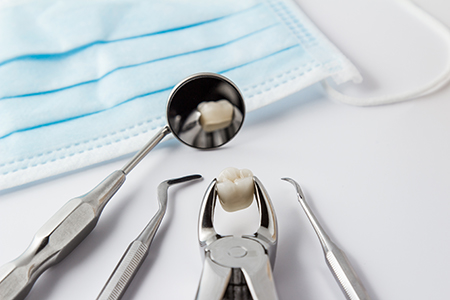
Losing a tooth raises practical and aesthetic questions about replacement. We review the options available (including removable dentures, fixed bridges, and dental implants), explaining how each works and which situations they best serve. The choice depends on factors such as the number of missing teeth, bone health, adjacent teeth, and your functional goals.
Dental implants are often discussed because they restore function and help preserve the jawbone, but they are one of several valid solutions depending on your needs. Our approach is to present the clinical pros and cons clearly and recommend a plan that aims to maintain or restore comfortable chewing, good speech, and a stable bite.
Whether you want a conservative interim solution or a long-term restorative strategy, we work with you to sequence care so healing is optimized and outcomes are predictable. The practice coordinates with specialists when appropriate to ensure a seamless experience from extraction through replacement.
Extractions are a common, well-understood part of dental care when preservation of the natural tooth is no longer feasible. With careful planning, appropriate anesthesia or sedation when needed, and clear aftercare instructions, most patients recover predictably and without complication. Our team focuses on making the process as safe, comfortable, and understandable as possible.
If you have questions about whether an extraction is the best option for you, or about replacement choices after removal, please contact us for more information. We’re happy to explain your options and help you make a plan that supports your long-term oral health.
A tooth extraction becomes necessary when preserving the natural tooth would compromise oral health or when restoration is unlikely to succeed. Common clinical reasons include severe decay that leaves little viable structure, a fracture that extends below the gumline, advanced periodontal disease with significant bone loss, or an over-retained primary tooth blocking a permanent tooth’s eruption. Removing a problematic tooth can prevent ongoing pain, stop the spread of infection, and protect adjacent teeth and bone.
Decisions about extraction follow a focused clinical exam and appropriate imaging so the clinician can assess root form, surrounding anatomy, and the tooth’s restorability. We discuss alternatives when they are reasonable, and we recommend extraction when it offers the most predictable long-term outcome for function and comfort. The goal is always to balance what is possible with what will best support your oral health moving forward.
The distinction between a simple and a surgical extraction depends on how much of the tooth is visible and the complexity of the root anatomy. Simple extractions are used when the tooth is fully erupted and the roots are accessible with elevators and forceps, while surgical extractions are planned for teeth that are broken at the gumline, impacted, ankylosed, or have curved or unusual roots.
Prior to the procedure we obtain imaging and review medical history to anticipate any anatomic or medical factors that might complicate removal. If a surgical extraction is indicated, the clinician will explain the steps involved, whether minor bone removal or sectioning of the tooth is needed, and any sedation options that may make the experience more comfortable.
At Skyline Smiles we begin with a focused exam, review of medical history, and any necessary imaging so you understand the plan before treatment starts. Local anesthesia is used to numb the area and make the procedure comfortable for most patients, and we discuss sedation options for those who prefer additional relaxation or have dental anxiety.
The extraction itself is performed using careful, measured technique to control bleeding and protect surrounding tissues, and we provide clear post-operative instructions before you leave. For more complex cases we may coordinate with an oral surgeon to ensure the safest approach and a smooth recovery process.
Local anesthesia is widely used and very effective at preventing pain during tooth removal, and it is considered safe for most patients when medical history and current medications are reviewed. For patients who experience anxiety, prefer deeper relaxation, or require more complex surgical care, the practice can discuss different levels of sedation and refer or arrange for those services when appropriate.
We always review your medical history, current medications, and any prior reactions to anesthesia to tailor the plan to your needs and safety. If there are medical conditions that affect anesthetic choices, we explain the alternatives and take the necessary precautions so the procedure is carried out safely and comfortably.
Preparation starts with a clear review of your medical history and medications so we can identify any issues that affect bleeding or healing, such as anticoagulants or certain medical conditions. Follow any pre-operative instructions provided by the office, which may include fasting if sedation is planned or specific guidelines about which medications to take the day of the procedure.
Arrange for transportation if you will receive sedation and plan to rest for the remainder of the day after an extraction, especially after a surgical procedure. Bringing a list of questions to your appointment helps ensure you understand the procedure, recovery expectations, and the recommended follow-up care.
The first 48 to 72 hours are critical for clot formation and early soft-tissue healing, so controlling bleeding, avoiding activities that dislodge the clot, and protecting the surgical site are primary concerns. Expect some swelling and mild discomfort that usually responds to cold packs, rest, and the pain medications recommended by your clinician.
It is important to follow aftercare instructions such as gentle gauze pressure to manage bleeding, avoiding straws and smoking, and eating soft, lukewarm foods while the site stabilizes. If antibiotics were prescribed, take the full course as directed, and contact the office if you experience prolonged heavy bleeding, increasing pain after initial improvement, fever, or any other concerning signs.
Dry socket occurs when the blood clot that protects the extraction site is dislodged or fails to form, exposing bone and nerve endings; avoiding behaviors that create negative pressure in the mouth reduces this risk. Do not use straws, do not spit forcefully, and avoid smoking for several days after the extraction, since these actions can dislodge the clot and slow healing.
Follow gentle oral hygiene practices as advised, keep the area clean with careful brushing around the site, and use warm saltwater rinses only when recommended by your clinician. If you notice sudden, severe pain a few days after the procedure or a persistent bad taste or odor, contact the office promptly so we can evaluate and manage the condition.
Contact the office if you experience prolonged or heavy bleeding that does not respond to firm gauze pressure, a fever, or swelling that worsens after 48 hours rather than improving. Also call if your pain increases after an initial period of relief, if you have persistent numbness beyond the expected duration, or if you notice a persistent bad taste or foul odor from the site.
For routine concerns such as suture removal or a scheduled check of healing, keep your follow-up appointment so the clinician can confirm that recovery is progressing as expected. Prompt communication allows the team to address complications early and advise appropriate next steps to protect your oral health.
Replacement options include removable dentures, fixed dental bridges, and dental implants, each with different advantages depending on the number of missing teeth, bone health, and your functional goals. Removable options can be used more quickly as interim solutions, while bridges and implants provide more stable, long-term function and aesthetics when conditions allow.
Dental implants are often discussed because they help preserve jawbone and restore near-natural chewing ability, but the choice depends on factors such as adjacent teeth, bone volume, and overall health. The practice will explain the clinical pros and cons of each approach and sequence care so healing is optimized before definitive restorative treatment begins.
Extracting a tooth can change the way forces are distributed across your bite, and over time nearby teeth may shift into the space if nothing is done to replace the missing tooth. These changes can affect chewing efficiency, tooth wear patterns, and in some cases the stability of adjacent teeth or the fit of removable appliances.
To minimize long-term effects we discuss replacement strategies and timing as part of the treatment plan, taking into account bone health, the condition of neighboring teeth, and your functional and aesthetic goals. Early planning and a coordinated approach between the restorative and surgical phases of care help maintain a stable, comfortable bite over the long term.
Whether you are due for a cleaning or finally ready to fix something that has bothered you for years, the first step is the same. Pick the office nearest you and we will find a time that works.
